Road Freight
FTL & LTL, cross-border trucking
Learn moreBridge the gap between freight and your customers. We coordinate short- and long-term storage, handling and consolidation, and onward distribution — so cargo is ready to move the moment you need it.
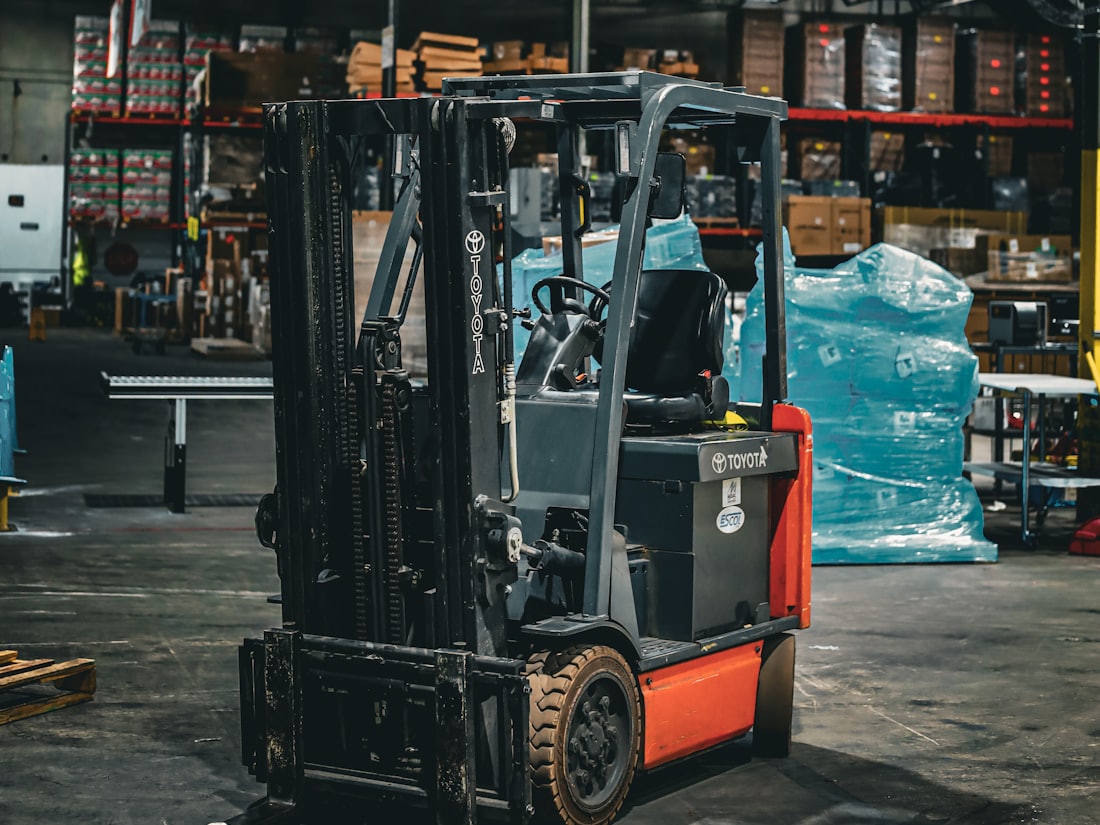
Ordinary storage holds goods that have already been cleared into free circulation: duty and taxes are settled and the cargo can be released, split or delivered as you instruct. A customs or bonded warehouse holds goods that have not been cleared, which suspends duty and import taxes until they leave the warehouse for the home market. For cargo that will be re-exported, or released to buyers gradually, that suspension can matter more to cash flow than the storage rate itself.
Which regime applies is decided by what the goods are for, not by where there happens to be space. We confirm the intended destination of the cargo, whether any of it will be re-exported, and how quickly it is expected to move, before recommending a regime — because moving goods between regimes later is a customs operation rather than a warehouse one.
Consolidation combines several suppliers' cargo into one shipment, which usually lowers the freight cost per unit and gives the receiving side one arrival to handle instead of many. Deconsolidation is the reverse at destination: a container is stripped and its contents split to different consignees or delivery dates. Both need accurate marks and packing lists, because a consolidation is only as good as the paperwork that lets the right cargo be identified at the other end.
Cross-docking skips storage altogether — cargo is received, sorted and dispatched within the same working period. It suits predictable, fast-moving goods and cuts handling cost, but it removes the buffer that storage provides, so it depends on the inbound arriving when it is supposed to. Where inbound reliability is uncertain, a short storage buffer is usually cheaper than a missed delivery window.
Beyond holding cargo, a warehouse is where it can be made ready to travel. That includes palletising loose cartons, re-stretching or re-strapping loads that arrived poorly secured, weighing and re-measuring for accurate onward freight, labelling and marking, and separating a consignment into delivery batches. Cargo bound for rail in particular often needs securing to a higher standard than it arrived with.
It is also the practical place for inspection. Damage found at receipt can be photographed and reported while a claim is still viable, and a count against the packing list at intake catches shortages before they become a dispute at final delivery. We record condition at receipt as a matter of course rather than only when asked.
Send the expected arrival date, the volume in pallets or cubic metres, the packaging type and dimensions, whether the goods will be cleared or held under a customs regime, the expected dwell time and how the cargo will leave — in full, in batches, or to multiple consignees. Temperature, stacking limits and any dangerous-goods classification need to be stated up front, because they change which space can be used.
Storage is usually quoted per pallet or per square or cubic metre per period, with handling in and out charged separately, so the dwell time and the number of movements matter as much as the volume. We would rather size that correctly at the start than have cargo arrive at a facility that cannot take it.
FTL & LTL, cross-border trucking
Learn moreFCL & LCL via global ports
Learn moreTime-critical & standard air cargo
Learn moreTrans-Caspian & East–West corridors
Learn moreOversized, heavy & complex cargo
Learn moreClearance & documentation
Learn moreShare your shipment details with us and our logistics team will prepare a suitable transportation option based on your cargo, route, timing and requirements.